ギャングソーマシンタイロッド、油圧プルタイロッド、フレームソープルタイロッド
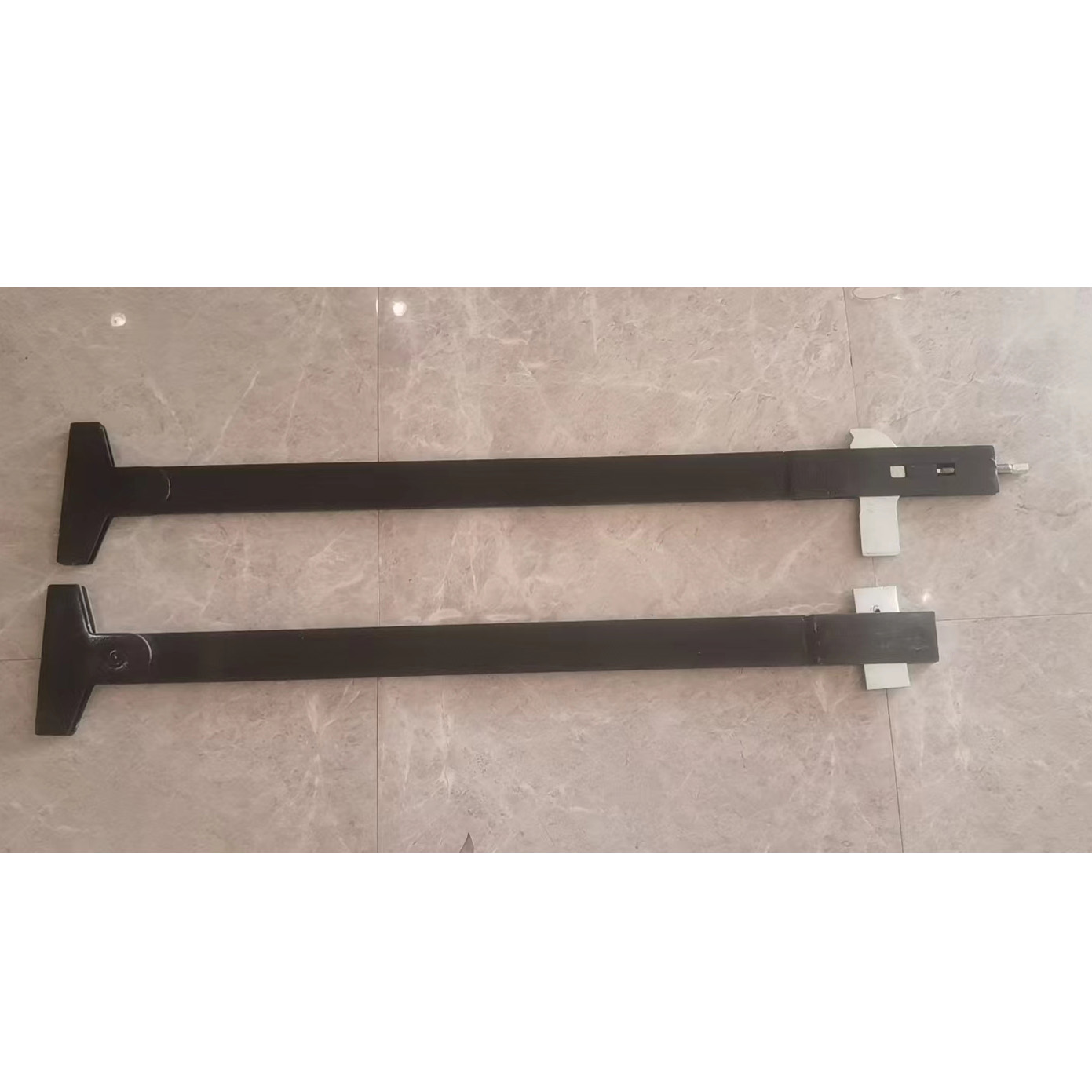
Frame Saw Gang Saw Pull Tie Rod Introduction
The frame saw gang saw pull Tie rod is a critical connecting and tensioning component in gang saw equipment, primarily used to secure and tighten saw blades, ensuring they maintain stable tension during cutting operations. This prevents blade deviation or loosening, thereby guaranteeing cutting accuracy and operational safety.
Core Functions and Features
- Blade Tensioning: Applies uniform mechanical force (via dual-screw or single-screw locking mechanisms) to keep saw blades taut and stable during high-speed reciprocating motion.
- Positioning and Fixation: Works with saw clamps to precisely secure blades onto the frame, ensuring multiple blades remain parallel for synchronized cutting.
- Adaptability to Material Thickness: Available in various thickness specifications , suitable for processing slabs ranging from 12mm to over 20mm in thickness .
Application Scenarios
- Widely used in slabbing raw blocks of marble, granite, and engineered stone.
- Compatible with various gang saw types, including static pressure and hybrid models, with customization available for non-standard sizes .
Note: Proper selection and maintenance of pull rods are essential to ensure efficient cutting performance and extend blade life.
Installation and Maintenance of Frame Saw Gang Saw Pull Tie Rods
Proper installation and regular maintenance of the frame saw gang saw pull rod are critical to ensuring cutting precision, stable equipment operation, and extended blade life. Improper handling may lead to blade misalignment, belt breakage, or uneven cutting surfaces.
I. Installation Precautions
- Alignment: Before installation, ensure that the pull rod's mounting holes are perfectly aligned with those of the saw frame and clamps. Avoid forced assembly to prevent thread damage or structural deformation.
- Appropriate Tensioning Force: When using dual-screw or single-screw locking mechanisms, apply force symmetrically and evenly to prevent uneven blade stress. It is recommended to use a torque wrench according to the manufacturer's specified values.
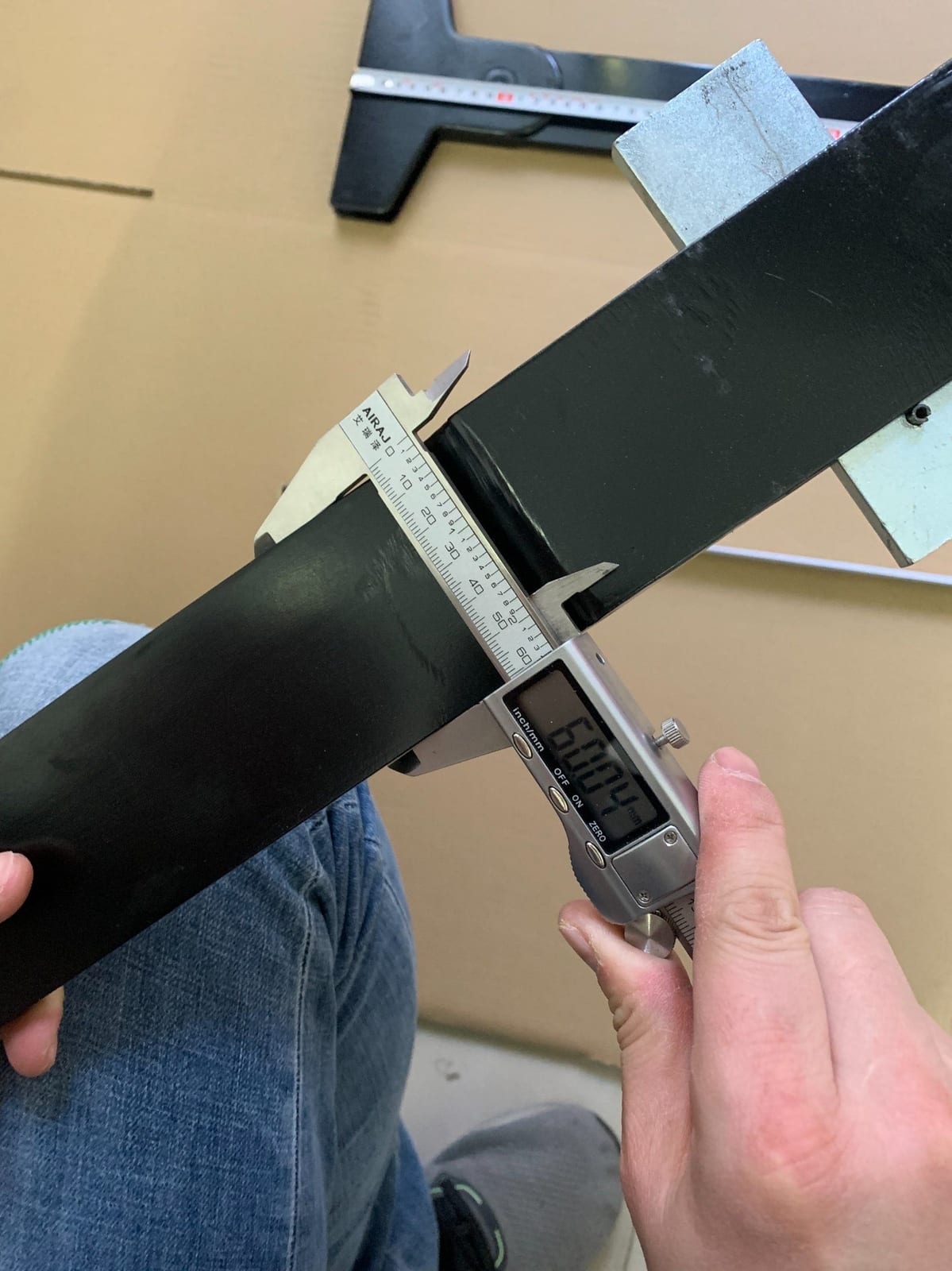
- Match Slab Thickness: Select the appropriate pull rod size based on the thickness of the slab to be cut (e.g., a 19mm rod for slabs over 16mm thick), ensuring sufficient cutting clearance after tensioning.
- Inspect Associated Components: Confirm that saw clamps are not worn and that hydraulic tensioners are functioning properly. The positioning hex screws on the front clamp should be correctly adjusted to fix the blade's vertical position.
II. Routine Maintenance Points
- Check Tightness Regularly: Inspect for loose nuts on the pull rod before each shift. If abnormal noise occurs during operation, stop the machine immediately for inspection.
- Cleaning and Rust Prevention: After operation, remove stone powder and residual coolant from the pull rod surface, and apply anti-rust oil to prevent oxidation and corrosion-especially important in humid environments.
- Monitor Wear Conditions: Pay close attention to threads, connection joints, and stressed areas for cracks or deformation. Replace immediately upon detecting significant wear to avoid sudden failure.
- Replace in Sets: If one pull rod in a set is damaged, it is recommended to replace the entire set simultaneously to prevent imbalance caused by mixing new and old components.
III. Tips for Extending Service Life
- Avoid prolonged overload operation; schedule proper rest periods for the equipment.
- Use original equipment or high-compatibility parts. For non-standard customizations, provide detailed specifications to ensure compatibility.
- Maintain a maintenance log to track the usage duration and working conditions of each pull rod, enabling preventive replacement.
Note: Consistent adherence to these practices enhances operational safety, reduces downtime, and maximizes cutting efficiency.
カテゴリー: Tie rods
関連製品
- Tie Rod, Hydraulic Rod, Pull Rod, Marble Saw Blade Machine Accessories, Stone Tool Machine Accessories, Mechanical Accessories
- Multi-Blade Marble Frame Saw Pull Tie Rod, Hydraulic Pull Tie Rod, Stone Machinery Accessories, Frame Saw Pull Tie Rod
- Gang Saw Holder Gang Saw Tie Rods Gang Saw Tensioner Gang Saw pull rod China professional factory